
Transporting your vehicle to Hawaii involves a comprehensive understanding of shipping logistics‚ ocean freight‚ and regulations․ Whether you’re relocating or exporting a vehicle‚ understanding the process can save you time and costs․ Here’s an in-depth guide on how to ship a car to Hawaii․
Choosing Your Shipping Method
The first step in shipping your automobile is selecting the appropriate method․ The most common options include:
- Car Carrier: This involves using a specialized truck to transport your vehicle to the port where it will then be shipped to Hawaii․
- Container Shipping: Your car is placed in a container‚ offering protection against the elements during transit․ This method is typically more expensive but provides additional security․
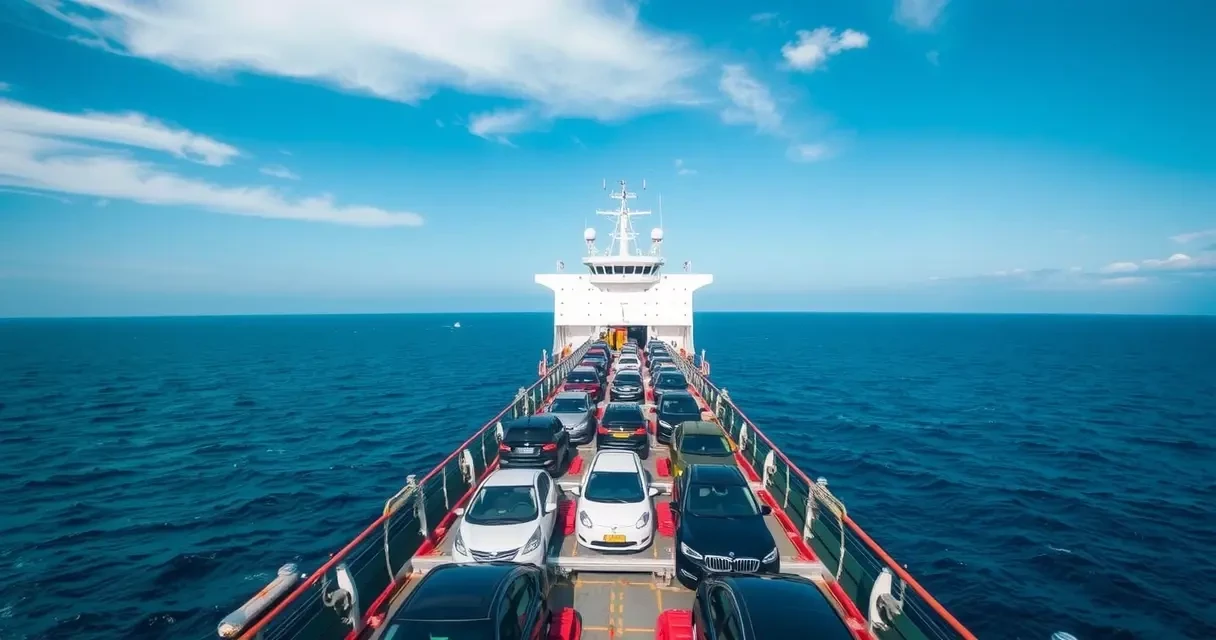
- Roll-on/Roll-off (RoRo): The vehicle is driven directly onto the ship and secured for the journey․ This is a cost-effective option but offers less protection compared to container shipping․
Understanding Ocean Freight Costs
Ocean freight is a significant part of the cost of shipping a vehicle to Hawaii․ Factors influencing the cost include:
- Distance: The distance from the port of origin to Hawaii affects the shipping cost․
- Vehicle Size: Larger vehicles occupy more space and thus cost more to transport․
- Service Type: Premium services like container shipping cost more than RoRo․
- Insurance: Coverage during transit is recommended‚ adding to the overall cost․
Booking and Scheduling the Shipment
Once you’ve selected the shipping method‚ the next step is booking the shipment․ Consider the following:
- Company Selection: Research and choose a reputable shipping company․ Request a quote to understand the costs involved․
- Documentation: Ensure all necessary documentation is prepared‚ including ownership proof and any required permits for import or export․
- Schedule: Confirm the shipping schedule to align with your relocation or travel plans․
Preparing Your Vehicle for Transport
Proper preparation of your vehicle is crucial for a smooth shipping process:
- Inspection: Document the condition of your car with photos before shipping․
- Personal Belongings: Remove all personal items from the vehicle to prevent loss or damage․
- Maintenance: Ensure the car is in good working order‚ with no fluid leaks and a charged battery․
Port Procedures and Regulations
Understanding port procedures and regulations is essential for a smooth transition:
- Port Selection: Choose a port of origin that provides efficient delivery and logistics services․
- Regulations: Familiarize yourself with the import regulations in Hawaii‚ which may include specific emissions standards and safety requirements․
- Transit Time: Be aware of the transit time‚ which typically ranges from 1 to 3 weeks depending on the service and distance․
Insurance and Documentation
Insurance and proper documentation are key to ensuring your vehicle’s safety during transport:
- Insurance Coverage: Verify that your insurance covers ocean freight risks․
- Documentation: Prepare and submit all necessary documents‚ including the bill of lading‚ to avoid delays․
Receiving Your Vehicle in Hawaii
Upon arrival in Hawaii‚ follow these steps to receive your vehicle:
- Inspection: Carefully inspect the vehicle for any damage that may have occurred during shipping․
- Final Documentation: Complete any remaining paperwork required by the port authorities․
Shipping a car to Hawaii involves a detailed understanding of logistics‚ costs‚ and regulations․ By choosing the right shipping method‚ preparing your vehicle properly‚ and ensuring compliance with regulations‚ you can ensure a smooth transition․ Whether for relocation or other purposes‚ understanding the process will help you make informed decisions and protect your investment․