
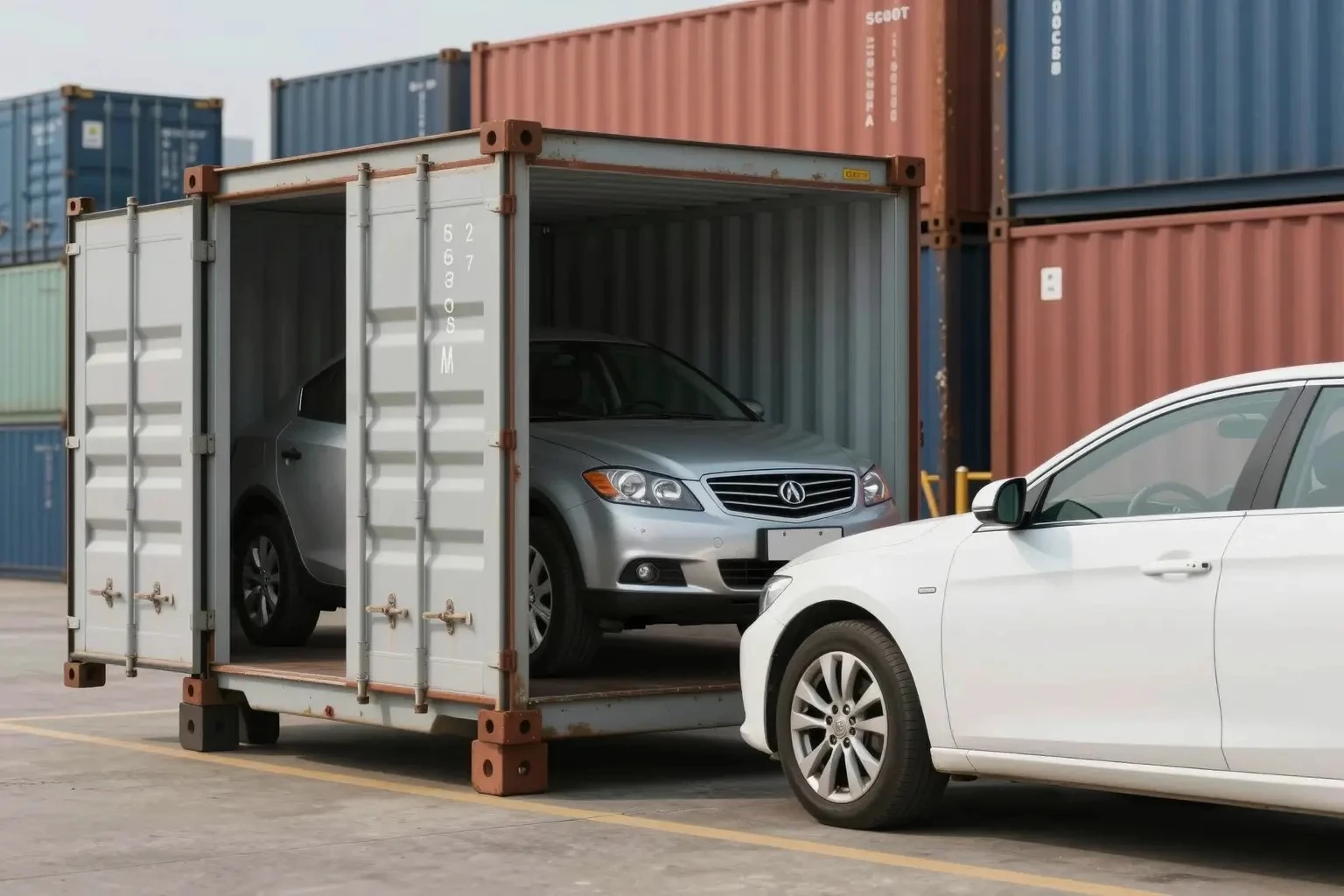
The question of whether a car can fit in a shipping container is a common one‚ especially for those involved in vehicle transportation and international shipping. The answer hinges on several factors including car dimensions‚ container size‚ and the logistics of cargo loading. This article explores the various aspects of container shipping as it relates to automobiles‚ providing insights into transportation solutions and industry practices.
Understanding Container Size and Dimensions
Shipping containers come in various sizes‚ but the most commonly used for vehicle shipment are 20-foot and 40-foot containers. A standard 20-foot container has internal dimensions of approximately 19.35 feet in length‚ 7.71 feet in width‚ and 7.83 feet in height. Meanwhile‚ a 40-foot container offers double the length at around 39.5 feet‚ with similar width and height dimensions.
Container Capacity and Car Dimensions
To determine if a car can fit inside a shipping container‚ it is essential to compare the car dimensions to the container capacity. Most standard passenger vehicles‚ including sedans‚ SUVs‚ and small trucks‚ can fit within a 20-foot container. However‚ for larger vehicles or multiple car shipments‚ a 40-foot container might be necessary.
Automobile Fitting and Cargo Loading
The process of automobile fitting involves careful measurement and placement to ensure the vehicle is securely positioned within the container. Cargo loading requires skilled personnel to handle vehicles delicately to prevent damage during transit.
Containerized Shipping and Vehicle Logistics
Containerized shipping offers a secure and efficient method for transporting vehicles across long distances. Companies specializing in vehicle logistics often employ sophisticated techniques and equipment to facilitate container compatibility and ensure vehicles are safely stored and shipped.
Freight Transport and International Shipping
The shipping industry relies heavily on freight transport for moving goods‚ including vehicles‚ across international borders. International shipping involves complex logistics and regulations‚ which must be adhered to for a smooth shipping process.
Challenges and Solutions in Automotive Shipping
One of the significant challenges in automotive shipping is ensuring the vehicle remains undamaged throughout the transit process. This involves using appropriate car storage techniques within the container to prevent movement and potential damage.
Container Logistics and the Shipping Industry
The role of container logistics is crucial in the efficient operation of the shipping industry. This includes managing the movement‚ storage‚ and handling of containers to ensure timely and cost-effective delivery of vehicles.
Advancements in Containerized Freight
With ongoing advancements in containerized freight‚ the industry continues to evolve‚ offering more innovative and reliable transportation solutions for vehicles. These advancements help improve the efficiency and safety of vehicle shipment‚ making international transport more accessible to car owners and dealers.
In conclusion‚ the question of whether a car can fit in a shipping container depends on careful consideration of car dimensions and container size. With proper planning and execution‚ container compatibility can be achieved‚ making containerized shipping a viable option for vehicle transportation. The shipping industry continues to adapt and innovate‚ providing effective transportation solutions that cater to the needs of businesses and individuals alike.
By understanding the intricacies of automobile fitting‚ freight transport‚ and container logistics‚ stakeholders in the industry can ensure a smooth transition of vehicles from one location to another‚ enhancing the experience of international shipping for all involved.