
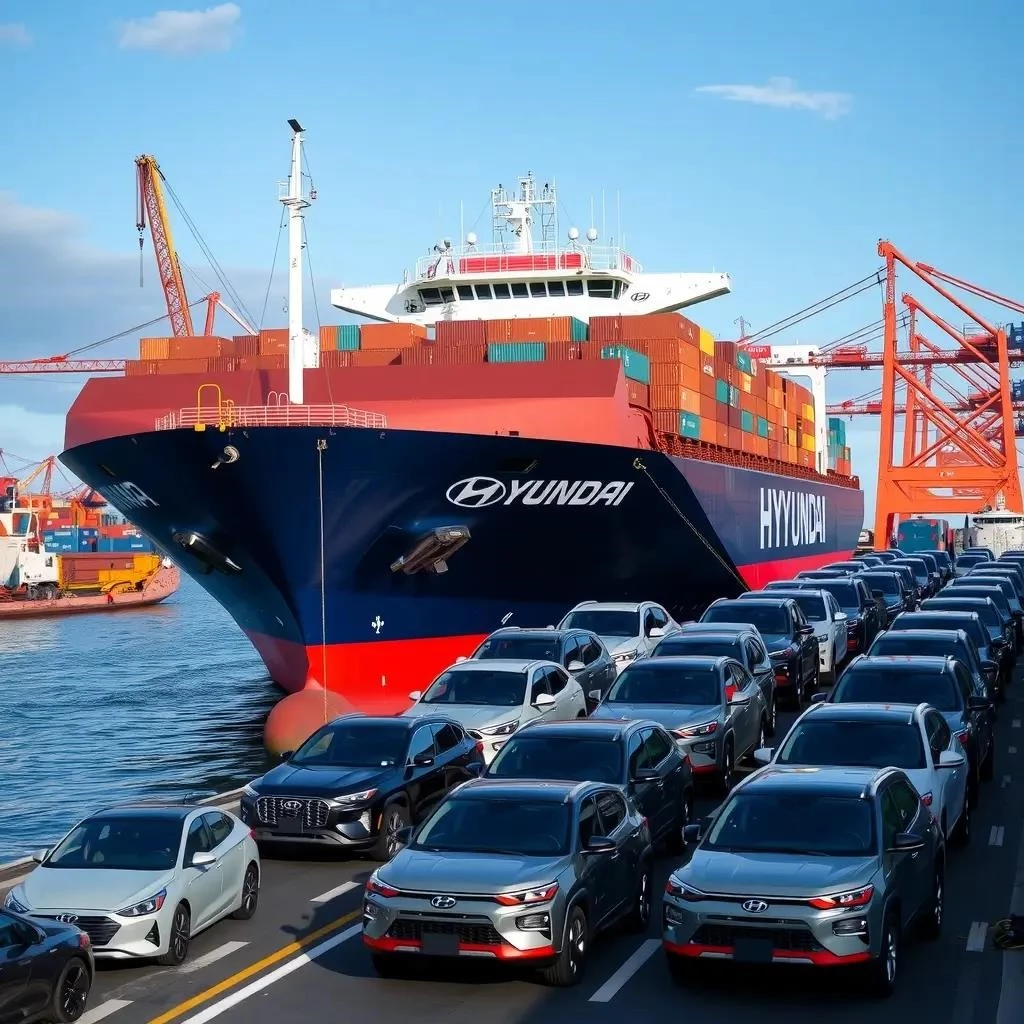
Hyundai‚ a major player in the global automotive industry‚ has established intricate logistics strategies that ensure efficient transportation of its vehicles to various countries‚ including Canada. Understanding the shipping process provides insights into the complexities of international trade and the measures companies take to comply with regulations while guaranteeing timely delivery.
Overview of Hyundai’s Shipping Operations
Hyundai not only designs and manufactures cars but also manages a comprehensive logistics network that encompasses every phase of the supply chain. The shipping of cars from various manufacturing plants to dealerships in Canada involves multiple modes of transportation and thorough coordination. The key elements of this transportation process include:
- Exportation from manufacturing facilities
- Container shipping and ocean freight
- Customs clearance and border regulations
- Road transport‚ rail transport‚ and last-mile delivery
The Shipping Process
Manufacturing and Preparation for Shipping
The journey begins at Hyundai’s manufacturing plants‚ located in countries like South Korea‚ the United States‚ and others. Once vehicles are completed‚ they undergo a preparation phase which includes:
- Quality inspection
- Installation of necessary shipping protective measures
- Final documentation and customs paperwork
Export Logistics
After the vehicles are prepared‚ they are organized for export. Logistics teams are responsible for coordinating the movement of automobiles to the nearest major port. This includes scheduling the necessary transportation methods such as:
- Trucking to the port
- Rail transport for longer distances
Choosing the right method greatly depends on the shipping schedule and costs.
Container Shipping and Ocean Freight
Once the vehicles arrive at the port‚ they are loaded onto ships using container shipping methods. Ocean freight is a common practice for international automobile shipping‚ allowing Hyundai to transport large volumes of cars at a competitive cost. The vehicles may be shipped in:
- Standard containers
- Dedicated roll-on/roll-off (RoRo) vessels designed specifically for vehicle transport
Customs and Border Regulations
Before the cars leave the exporting country‚ they must pass through customs where the necessary documentation is checked. This includes export declarations‚ bills of lading‚ and any other pertinent paperwork. Compliance with regulations is crucial to avoid delays. Upon arrival in Canada‚ the vehicles go through:
- Canadian customs clearance
- Import duties and taxes assessment
Hyundai ensures that its logistics teams are well-versed in local and international regulations to streamline this process.
Final Transportation to Dealerships
After clearing customs‚ the vehicles must be transported to various dealerships across Canada. This phase may involve:
- Road transport using specialized auto carriers
- Rail transport for regional distribution
The choice of transportation method typically depends on distance‚ shipping costs‚ and delivery timeframes. The timely distribution of vehicles is essential for maintaining inventory levels at dealerships.
Shipping Costs and Efficiency
Shipping costs play a crucial role in the overall logistics strategy for Hyundai. Factors influencing costs include:
- Distance from manufacturing plants to ports
- Shipping methods selected (container shipping vs. RoRo)
- Import duties and customs fees
- Transportation fees within Canada
Hyundai continually seeks to optimize its supply chain operations to balance profitability with efficiency. Partnerships with logistics companies help negotiate better rates and improve service quality across all stages of transport.
Technology in Automotive Shipping
Advancements in technology have significantly transformed the logistics and shipping industry. Hyundai employs various tools to enhance their shipping processes‚ including:
- Global Positioning Systems (GPS) to track shipments
- Inventory management systems to forecast demand
- Automated documentation handling to minimize human error
Such technologies improve visibility across the shipping process‚ thereby ensuring prompt deliveries and maintaining quality control.
Challenges in the Logistics Process
Despite Hyundai’s robust logistics framework‚ the company faces several challenges when shipping cars to Canada. These include:
- Variable shipping costs influenced by fuel prices and trade tariffs
- Disruptions in the supply chain‚ such as port congestion or labor strikes
- Customs delays due to stringent regulations
In response to these challenges‚ Hyundai invests in robust risk management strategies to ensure the continuity of its operations.
Future Outlook: Innovations in Shipping
The automotive shipping industry is evolving‚ and Hyundai is keen to adopt innovative strategies that could redefine logistics. Possible avenues include:
- Exploration of alternative energy sources for transportation
- Increased digitization of logistics processes
- Greater collaboration with international shipping partners
As the global market continues to evolve‚ Hyundai is committed to refining its shipping operations‚ making them more efficient and environmentally friendly.
Hyundai’s shipping of cars to Canada encompasses a myriad of processes carefully orchestrated to comply with regulations‚ ensure timely delivery‚ and manage costs. From manufacturing to final delivery‚ each step in their logistics chain is pivotal in maintaining efficient operations and customer satisfaction. As challenges arise in the international shipping landscape‚ Hyundai continues to adapt and innovate‚ securing its place as a leader in the global automobile market.