
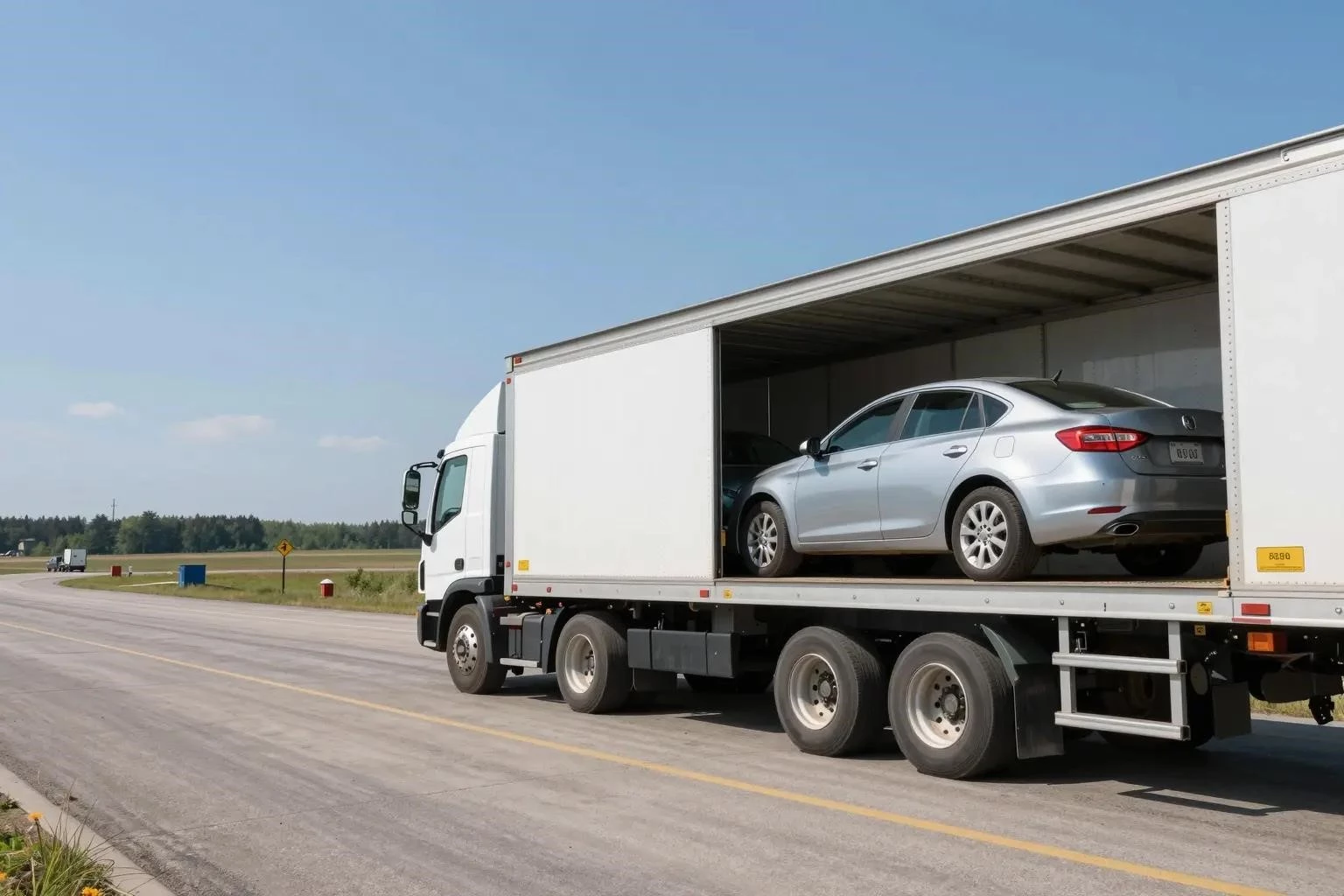
Shipping a car across Canada can be a daunting task for many individuals‚ particularly when considering the various options and costs involved. In this article‚ we will delve into the essential aspects of car transport across the vast Canadian landscape‚ focusing on factors that influence shipping rates‚ different service options‚ and how to effectively budget for your vehicle relocation.
Understanding the Cost Factors in Auto Shipping
When it comes to auto shipping‚ several factors influence the overall vehicle shipping costs. By understanding these components‚ you can better estimate the costs involved in moving your car across Canada.
- Distance: The distance between the pickup and delivery locations is a primary factor. Long distance shipping incurs higher costs due to fuel and time requirements.
- Shipping Methods: Options for auto transport include open transport and enclosed transport. Open transport is generally more budget-friendly‚ while enclosed transport offers extra protection but at a higher cost.
- Vehicle Type: The type of vehicle you are shipping also affects costs. Larger vehicles or those requiring special handling typically incur higher freight costs.
- Service Options: Choosing door-to-door service may come with additional fees‚ while terminal-to-terminal service can reduce costs.
- Seasonality: Shipping rates may vary based on the time of year‚ with peak seasons often resulting in higher prices.
Estimating Shipping Fees: Using Online Calculators and Quotes
To find out how much it would cost to ship your car‚ utilizing online calculators can provide you with a quick estimate. Numerous auto transport companies offer online tools where you can input details like pickup and drop-off locations‚ vehicle type‚ and preferred transport method to receive instant quotes.
Obtaining multiple quotes from different companies allows for effective quotes comparison‚ giving you a clearer picture of the average shipping fees for your particular needs. Make sure to check for any hidden fees or additional charges before making your final decision.
The Role of Car Insurance and Transport Permits
When shipping a vehicle‚ it’s crucial to understand the insurance aspect. Many auto transport companies provide basic coverage during transit‚ but you may want to explore additional coverage options for peace of mind. Ensure that you confirm what type of car insurance is included in the shipping costs and whether it covers potential damages.
Additionally‚ certain vehicles may require specific transport permits for interstate shipping‚ especially if you’re relocating across provincial borders. Checking with your chosen company about all necessary documentation is vital to avoid unnecessary delays.
Understanding Delivery Times for Cross-Country Transport
Another consideration when assessing the total cost to ship a car across Canada is the delivery time. This time frame can vary greatly based on distance‚ the specific route taken by the car carrier‚ and the chosen shipping method. Here’s a rough breakdown:
- Short distances: Typically 1-2 days for local transport within the same province.
- Mid distances: Expect about 3-5 days for regional shipping.
- Long distances: For cross-country transport‚ plan for 7-14 days‚ depending on the route and service options.
Always consult with your transport service provider regarding estimated delivery dates and any factors that may affect these timelines.
Finding Budget-Friendly Shipping Options
For those concerned about the financial aspect of transporting their vehicles‚ budget-friendly shipping options are available. Here are some tips to consider:
- Book Early: Last-minute bookings can lead to higher prices‚ so try to plan your vehicle relocation well in advance.
- Flexible Dates: If you have flexibility in your shipping schedule‚ you may be able to take advantage of lower rates outside of peak seasons.
- Compare Quotes: As mentioned earlier‚ comparing different quotes can help identify the most cost-effective service.
- Consider Open Transport: While less protective‚ open transport is generally cheaper and is an ideal choice for standard vehicles.
Common Shipping Methods Explained
In the world of auto shipping‚ understanding the different shipping methods available is key to making an informed decision. The two primary methods are:
Open Transport
This is the most commonly used method of vehicle shipping and involves loading cars onto a truck that is open to the elements. Benefits of open transport include:
- Cost-effective pricing‚ making it an attractive option for budget-conscious customers.
- Commonly available with most auto transport companies.
Enclosed Transport
Enclosed transport offers better protection for your vehicle‚ as it is housed within a fully enclosed trailer. This method is typically chosen for:
- Luxury vehicles or classic cars requiring extra care.
- Enhanced protection from weather‚ road debris‚ and potential damages.
While enclosed transport offers advantages‚ it generally comes with a higher price tag. Be sure to weigh your options based on your vehicle’s value and transportation needs.
Factors to Consider When Choosing an Auto Transport Company
Choosing the right auto transport company is as important as understanding the costs involved. You should consider several key factors:
- Reputation: Look for customer reviews and ratings to gauge the reliability and trustworthiness of the company.
- Experience: Companies with a proven track record in interstate shipping are often better equipped to handle logistics efficiently.
- Services Offered: Make sure the company provides the shipping methods that align with your needs.
- Insurance Coverage: Confirm the extent of insurance offered and consider purchasing additional coverage if necessary.
- Customer Support: Responsive customer service can make a significant difference in your overall experience.
Shipping a car across Canada involves understanding various factors that determine shipping rates‚ delivery times‚ and the best shipping methods. To summarize:
- Distance‚ vehicle type‚ and seasonality are critical factors influencing the cost.
- Utilize online calculators to estimate shipping fees and obtain multiple quotes for comparison.
- Understand insurance coverage and potential transport permits needed for your vehicle.
- Delivery times vary based on distance and the transport method selected.
- Consider budget-friendly shipping options to minimize costs without sacrificing quality.
By carefully considering these elements‚ you can successfully navigate the complexities of car shipping and make informed decisions‚ ensuring your vehicle arrives safely and within budget.