
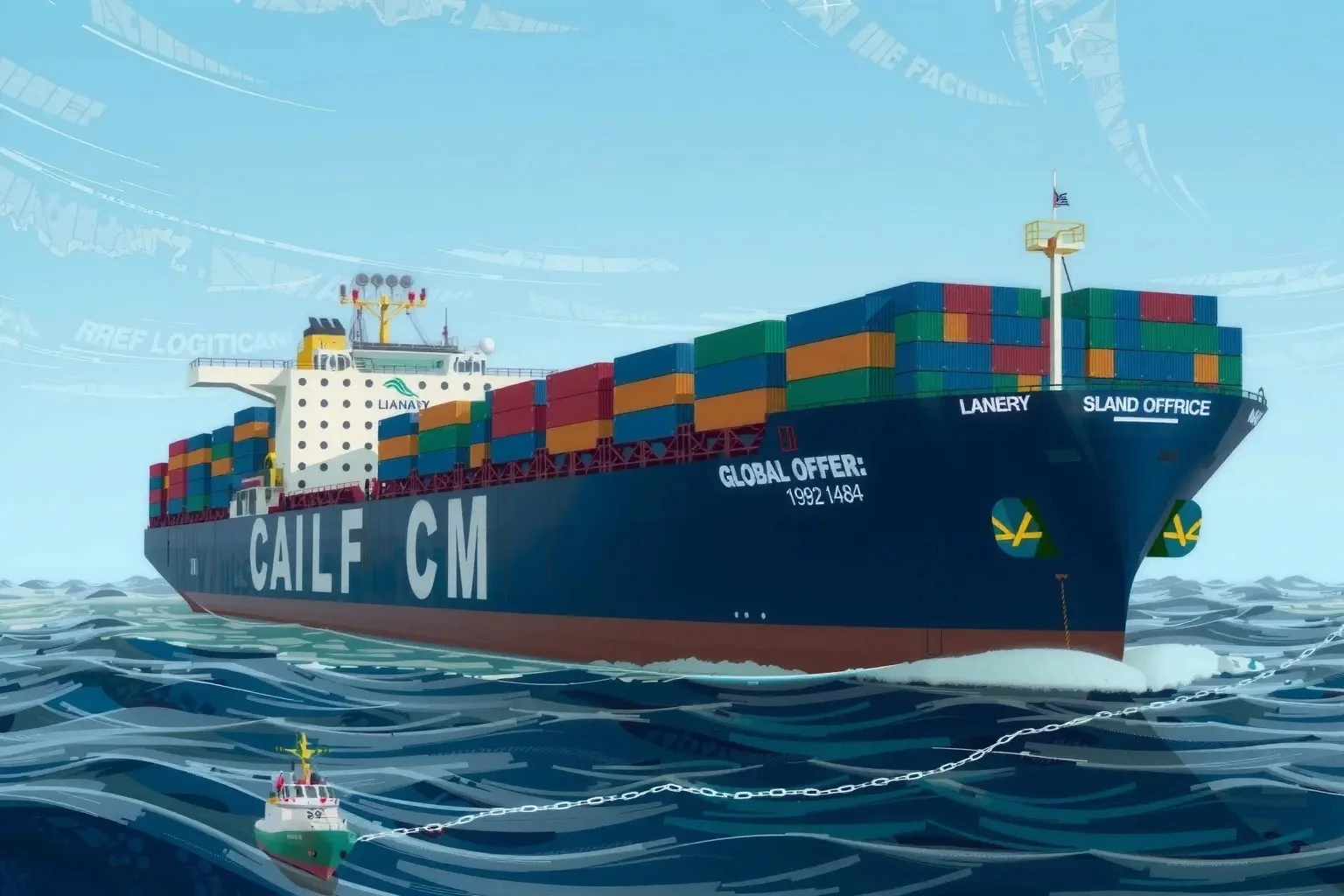
Shipping a car overseas can be a complex process that involves a variety of factors determining the overall cost․ When considering international shipping, understanding the different components that contribute to the vehicle shipping cost is crucial․ This article explores the various factors that impact the cost of car transport across borders, including overseas transport methods, freight services, and additional fees․
Understanding Vehicle Shipping Costs
The cost of shipping a vehicle overseas is influenced by several variables․ Key among these are:
- Shipping Method: The choice between container shipping and roll-on/roll-off (RORO) can significantly affect pricing․
- Destination: The distance and specific location being shipped to play a major role in determining costs․
- Vehicle Size and Weight: Larger and heavier vehicles typically incur higher shipping rates․
- Import Fees and Export Regulations: These can vary greatly by country and need to be factored into the overall cost․
- Marine Insurance: This is often recommended to protect the vehicle during transit․
Shipping Methods: Container vs․ Roll-On/Roll-Off
When it comes to auto transport, the two primary methods are container shipping and roll-on/roll-off (RORO)․
Container Shipping
This method involves securing the vehicle inside a shipping container․ It offers enhanced protection from the elements and is ideal for high-value or classic cars․ However, it tends to be more expensive than RORO due to the added protection and security․
Roll-On/Roll-Off (RORO)
RORO involves driving the vehicle onto a specialized ship designed for carrying wheeled cargo․ This method is typically less expensive than container shipping and is widely used for standard vehicles․ However, it provides less protection from the elements․
Shipping Rates and Additional Costs
Estimating the shipping rates for overseas car transport requires considering both the base cost and additional expenses:
- Base Shipping Cost: Determined by the distance, shipping method, and vehicle dimensions․
- Customs Duties and Import Fees: These vary by country and can include taxes, duties, and other fees․
- Marine Insurance: Optional but recommended to cover potential damages during transit․
- Port Fees: Charges for handling and processing the vehicle at the port․
Import Fees and Export Regulations
Each country has its own export regulations and import fees that can significantly impact the cost of shipping a car․ It’s essential to research and understand these requirements for the destination country․ Failure to comply can result in delays and additional expenses․
Transportation Logistics and Delivery Timeline
Understanding the transportation logistics involved in shipping a car overseas is crucial for managing expectations regarding the delivery timeline․ Factors influencing delivery times include:
- Scheduling and Availability: The frequency of shipments and availability of space can affect timelines․
- Customs Clearance: The time it takes to process the vehicle through customs can add to the overall delivery time․
- Transit Routes: The chosen route and any potential stops along the way can impact delivery speed․
Shipping a car overseas involves multiple considerations that directly affect the final cost․ By understanding the various components, including shipping methods, rates, import fees, and logistical factors, individuals and businesses can make informed decisions and ensure a smooth international shipping process․ Whether opting for container shipping or roll-on/roll-off, being aware of the associated costs and requirements is essential for a successful vehicle transport experience․