
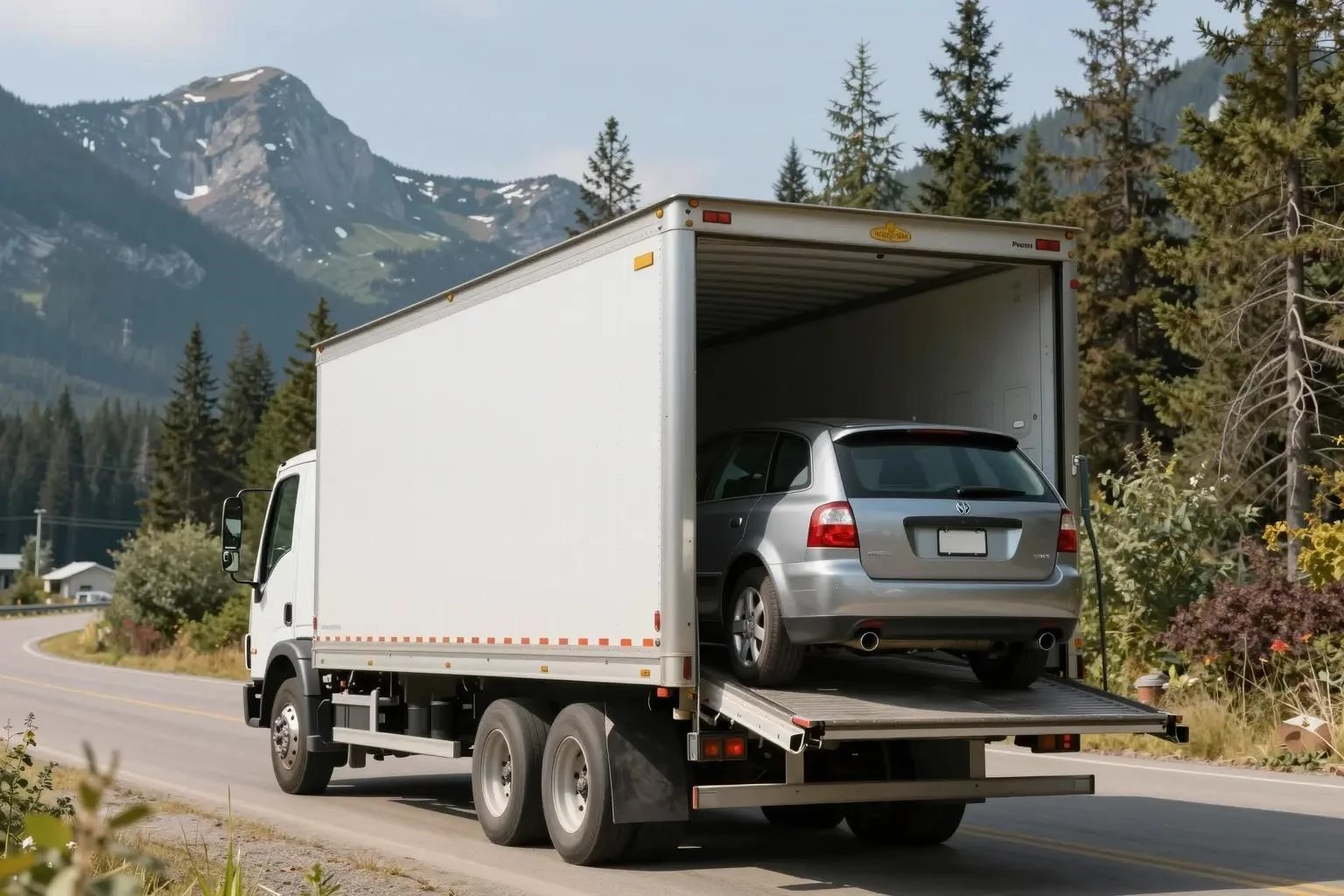
Shipping a car across Canada requires careful planning and understanding of the various car shipping options available. Whether you are relocating, purchasing a vehicle from another province, or simply need to transport your automobile, there are many factors to consider. In this article, we will explore the different aspects of vehicle transport services, including auto transport methods, shipping procedures, shipping rates, and more.
Understanding Car Shipping Options
When it comes to car delivery across Canada, there are several shipping options you can choose from:
- Open Transport: This is the most common and economical way of transporting vehicles. Cars are loaded onto an open truck and exposed to the elements. While it is cost-effective, it may pose a risk of damage from weather or road debris.
- Enclosed Transport: If you have a luxury or classic car, you may prefer enclosed transport. This method keeps your vehicle safe from external elements during transit but comes at a higher cost.
Selecting the Right Car Shipping Company
Choosing the right transport company is crucial for ensuring a smooth vehicle relocation. Here are some considerations:
- Research Transport Companies: Look for reputable transport services with positive customer reviews. It’s important to find companies that specialize in long-distance shipping and have experience in Canada car shipping.
- Insurance Coverage: Verify that the company provides comprehensive insurance coverage to protect your vehicle during the shipping process.
- Shipping Quotes: Obtain multiple shipping quotes to compare prices and services. Ensure you understand what each quote includes, such as loading, unloading, and delivery timelines.
Shipping Procedures
The shipping procedures for transporting your car are generally straightforward but may vary between companies. Here’s a typical process:
- Choose a Transport Method: Decide between open or enclosed transport. Assess your budget and your vehicle’s needs.
- Book Your Shipment: Once you select a company, book your shipment. You may need to provide details like car make, model, pickup location, and destination.
- Prepare Your Car: Clean your vehicle, remove personal items, and document any existing damage for reference.
- Vehicle Pick Up: The car mover will pick up your vehicle on the scheduled date. Ensure that you are available and that the vehicle is ready for transport.
- Track Your Shipment: Many transport companies offer tracking services, allowing you to monitor the transport process.
- Delivery: Once your vehicle arrives at the destination, inspect it for any damage and confirm delivery.
What to Expect with Shipping Rates
Shipping rates can vary widely based on several factors:
- Distance: The distance between the origin and destination influences cost; cross-country shipping will generally be more expensive.
- Transport Method: As mentioned earlier, enclosed transport costs more than open transport.
- Vehicle Size and Weight: Larger and heavier vehicles typically incur higher shipping fees.
- Seasonality: Rates may fluctuate depending on the time of year, with peak seasons potentially driving costs up.
Customs Regulations for International Shipping
If you plan to ship your car from or to another country (such as the United States), it’s crucial to understand customs regulations. Ensure that all paperwork is in order and that you are compliant with both Canadian customs and those of the exporting country.
- Check if your vehicle meets Canadian safety and emissions standards.
- Gather necessary documentation, including the vehicle title, bill of sale, and any previous inspection reports.
- Be aware of potential customs duties and taxes that may apply upon arrival.
Choosing Between Door-to-Door Delivery and Terminal-to-Terminal Shipping
Door-to-door delivery involves the transport company picking up your car from your location and delivering it directly to your designated address. This service is convenient but may cost more than terminal-to-terminal shipping, where you drop off and pick up your vehicle at designated terminals.
Weigh the pros and cons of both options based on your schedule, budget, and location. If you live in a remote area, door-to-door delivery might be your best bet, while urban locations might make terminal delivery more feasible.
Final Tips for Smooth Car Shipping
To ensure a seamless experience with your automobile shipping, follow these additional tips:
- Document Everything: Take photos of your car before shipping. This documentation will help if there are any disputes about damage during transport.
- Communicate with Your Movers: Keep in touch with the transport company throughout the process to stay updated on your vehicle’s status.
- Review Contracts Carefully: Before signing any contracts, read through the terms, especially regarding cancellations, insurance, and liability.
- Plan for Delays: Long-distance shipping can sometimes take longer than expected due to weather or logistical challenges. Allow for extra time in your planning.
Shipping your car across Canada can be a straightforward process if you understand your options and choose the right transport company. By familiarizing yourself with freight services, knowing the shipping procedures, and considering factors like shipping rates and insurance coverage, you can ensure your vehicle arrives safely and efficiently. Whether you opt for long-distance shipping via car carriers or seek better deals through various shipping options, being well-informed will make all the difference in your vehicle transport experience.
With the right preparation and knowledge, you’ll be able to navigate the process of car shipping with confidence, ensuring a smooth transition to your new location across Canada!