
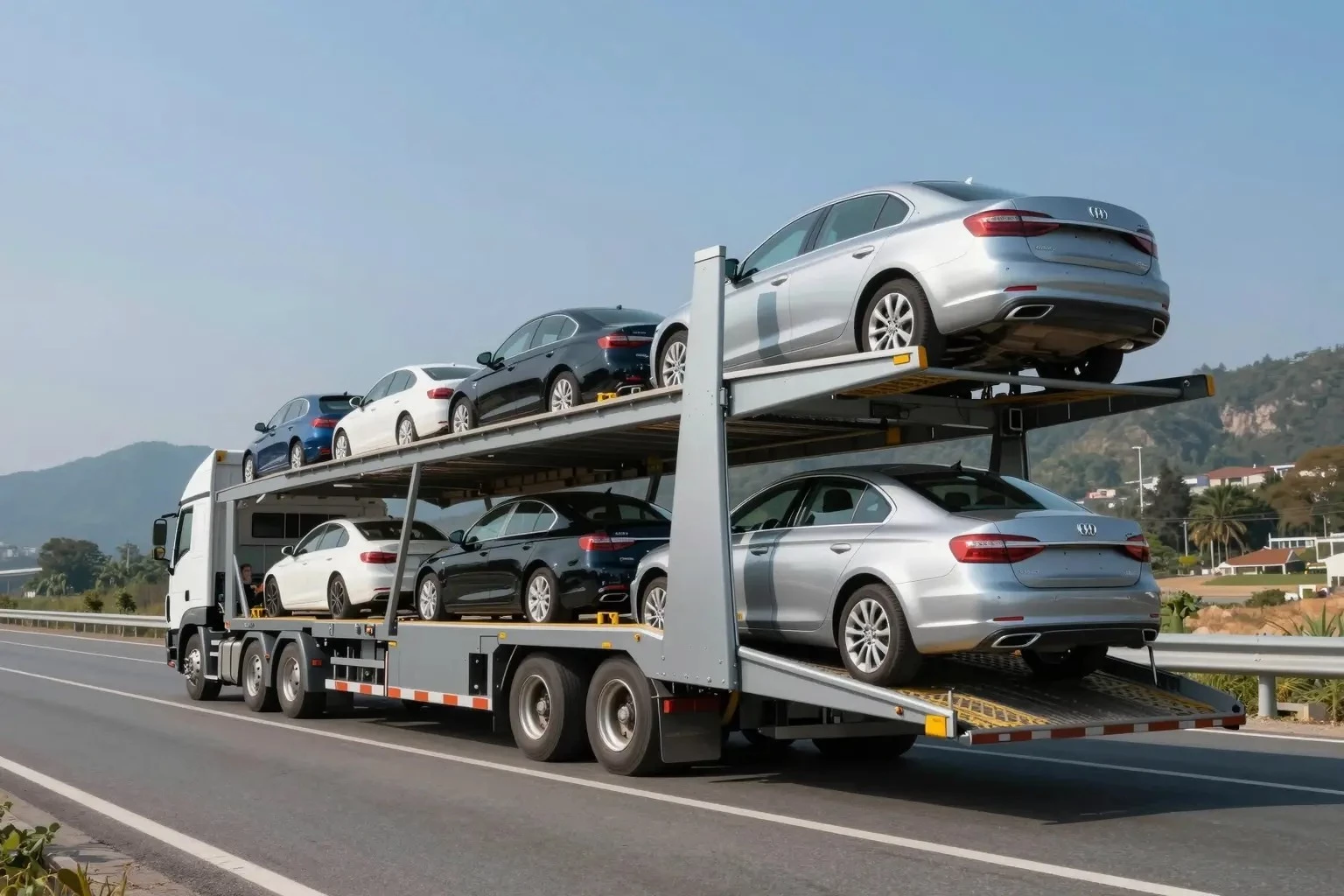
Shipping a car across the country can seem daunting, but with the right information and services, the process can be smooth and stress-free․ Whether you’re relocating, buying a vehicle from out of state, or sending a car to a family member, understanding the intricacies of vehicle transport is essential․ This article will guide you through the process of auto shipping and provide insights into the options and considerations involved in cross-country car shipping․
Choosing the Right Car Carrier
The first step in vehicle transport is selecting a reliable vehicle transport company․ These companies specialize in auto transport services, offering various options to suit your needs and budget․ When choosing a company, consider the following:
- Reputation: Check online reviews and ratings to find a trustworthy provider․
- Experience: Look for companies with extensive experience in car hauling․
- Services Offered: Ensure they offer the specific services you need, such as door-to-door service or interstate car shipment․
- Insurance: Verify that they provide adequate transport insurance to cover potential damages․
Understanding Car Shipping Options
There are two primary types of car carriers: open transport and enclosed transport․ Each has its advantages and price implications, which are crucial when considering the car shipping cost․
Open Transport
Open transport is the most common and cost-effective method of car freight․ Vehicles are transported on open trailers, exposing them to the elements but allowing for multiple cars to be shipped at once, reducing costs․
Enclosed Transport
Enclosed transport offers greater protection for your vehicle, as cars are shipped in enclosed trailers․ This method is ideal for luxury, classic, or high-value vehicles, although it is typically more expensive․
Car Shipping Process
- Get Car Shipping Quotes: Request quotes from several vehicle transport companies to compare prices and services;
- Book Your Shipment: Once you choose a provider, schedule your vehicle pickup and delivery dates․
- Prepare Your Vehicle: Clean your car, remove personal items, and document its current condition with photos․
- Vehicle Pickup: The transport company will pick up your vehicle as scheduled․
- Transport Logistics: The company will handle the transport logistics, ensuring your car reaches its destination․
- Vehicle Delivery: Your car will be delivered to the specified location, where you’ll inspect it for any potential damage․
Factors Affecting Car Shipping Cost
The cost of long-distance car transport can vary based on several factors:
- Distance: Longer distances typically increase costs․
- Vehicle Size and Weight: Larger and heavier vehicles may incur higher fees․
- Transport Type: Enclosed transport is generally more expensive than open transport․
- Season: Demand during peak seasons can affect pricing․
- Route: Popular routes may offer lower rates due to frequent transports․
Ensuring Safe Automobile Relocation
Ensuring a safe automobile relocation involves choosing the right services and preparing adequately․ Here are some tips:
- Inspect Insurance Coverage: Understand the transport insurance provided by the company․
- Communicate Clearly: Keep open communication with the transport company for updates and instructions․
- Prepare for Pickup and Delivery: Be present during vehicle pickup and delivery to ensure everything goes smoothly․
Shipping a car across the country requires careful planning and consideration of various factors․ By selecting a reputable vehicle transport company, understanding your shipping options, and preparing your vehicle appropriately, you can ensure a successful and stress-free auto transport services experience․ Remember to compare car shipping quotes, choose the right car carrier for your needs, and prioritize safety and communication throughout the process․ With these guidelines, your cross-country car shipping journey can be efficient and secure․