
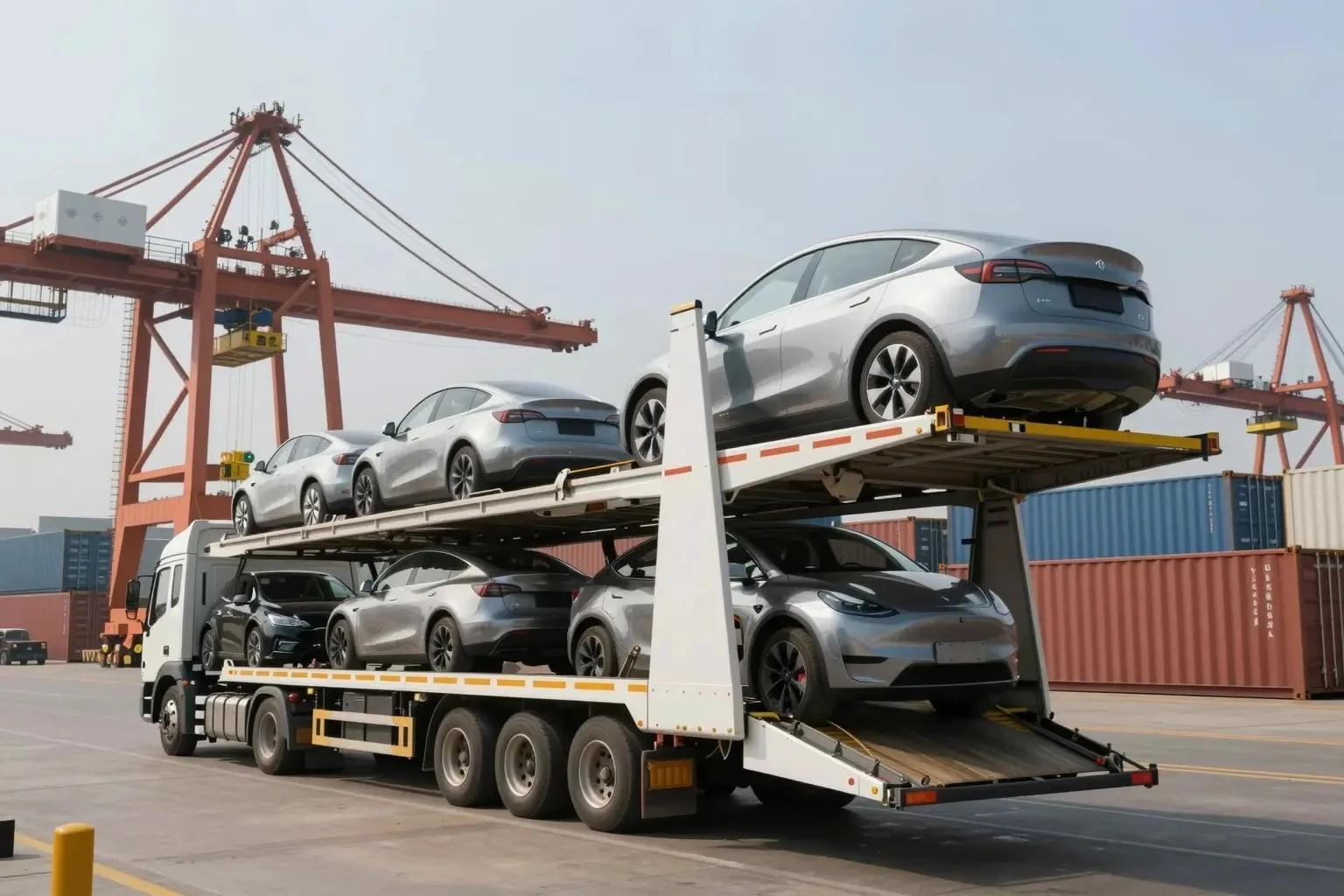
Understanding the car shipping cost is crucial when planning to transport your vehicle from one location to another. Whether you are relocating‚ purchasing a vehicle from a different state‚ or sending a car to a family member‚ knowing the elements that influence the cost can help you budget effectively. This article explores the various factors affecting vehicle transport costs and provides insights into how different variables can impact the final price.
Key Factors Influencing Car Shipping Cost
Several factors contribute to the overall cost of auto transport service. Below‚ we delve into some of the primary cost determinants:
Distance
The most significant factor in determining shipping rates is the distance between the pickup and delivery locations. Generally‚ longer distances will incur higher costs‚ but the rate per mile may decrease as the distance increases. It is essential to understand that the logistical complexity and fuel consumption associated with longer trips contribute to higher car transportation costs.
Carrier Type
Car shipping can be conducted using different types of carriers. The choice between these can significantly impact the cost:
- Open vs Enclosed Transport: Open transport is typically more cost-effective as it involves shipping your vehicle on an open trailer along with other cars. Enclosed transport‚ while more expensive‚ offers additional protection against weather and road debris‚ making it suitable for luxury or classic cars.
Delivery Time
The timeframe within which you need your car delivered can affect the shipping cost. Expedited shipping services are available for those who require quicker delivery‚ but they usually come at a premium price. Planning your transport well in advance can help mitigate these additional expenses.
Size and Weight
The size and weight of your vehicle also play a crucial role in determining shipping costs. Larger and heavier vehicles take up more space and consume more fuel‚ leading to higher costs. Ensure you provide accurate vehicle dimensions and weight to get an accurate quote.
Insurance Coverage
Insurance is an essential consideration for vehicle transport. Most reputable auto transport services include some level of insurance coverage in their quotes‚ but additional coverage may be necessary for high-value vehicles. Understanding the coverage provided and any additional costs involved is vital.
Seasonal Demand
Shipping rates can fluctuate based on the time of year. High demand periods‚ such as summer months or around holidays‚ may see increased prices due to the higher volume of vehicles being transported. Booking during off-peak times can result in cost savings.
Pickup and Delivery Location
The accessibility of the pickup and delivery locations can also impact the cost. Urban areas with easy access to major highways may incur lower transportation costs compared to remote or rural locations. Door-to-door service may also be more costly than terminal-to-terminal shipping‚ where the car is dropped off and picked up at designated locations.
Additional Fees
Be aware of potential additional fees that could affect the overall price. These can include fuel surcharges‚ tolls‚ or fees for specific delivery requirements‚ such as non-running vehicles that require special handling. It’s essential to ask the transport company for a detailed breakdown of any additional fees that might apply.
Understanding the various cost factors associated with car shipping can help you make informed decisions and find the best service for your needs. By considering the distance‚ carrier type‚ delivery time‚ size and weight of your vehicle‚ insurance coverage‚ seasonal demand‚ pickup and delivery location‚ and any additional fees‚ you can gain a clearer picture of what to expect in terms of car shipping cost. With thorough research and planning‚ you can ensure a smooth and cost-effective vehicle transport experience.