
Shipping a car to Hawaii involves several logistical considerations and costs that are influenced by various factors. Understanding these elements can help you make an informed decision about auto transport to the islands. This article covers shipping costs, vehicle shipping methods, and other essential aspects of car transport to Hawaii.
Factors Affecting Shipping Costs
The cost of shipping a car to Hawaii varies based on several key factors:
- Vehicle Size: Larger vehicles, such as trucks and SUVs, typically cost more to ship due to the increased space they occupy.
- Distance: The distance from the pickup location to the port and then to Hawaii affects the overall shipping cost.
- Shipping Methods: Options include container shipping and roll-on/roll-off (RoRo) services, each with different pricing structures.
- Insurance Coverage: Comprehensive insurance for your vehicle during transit may add to the cost but offers peace of mind.
- Import Regulations: Compliance with Hawaii’s import regulations can influence shipping logistics and costs.
Vehicle Shipping Methods
There are two primary methods for shipping cars to Hawaii:
- Container Shipping: This method involves placing your car in a container, providing more protection during ocean freight. It is generally more expensive but offers added security against weather and handling.
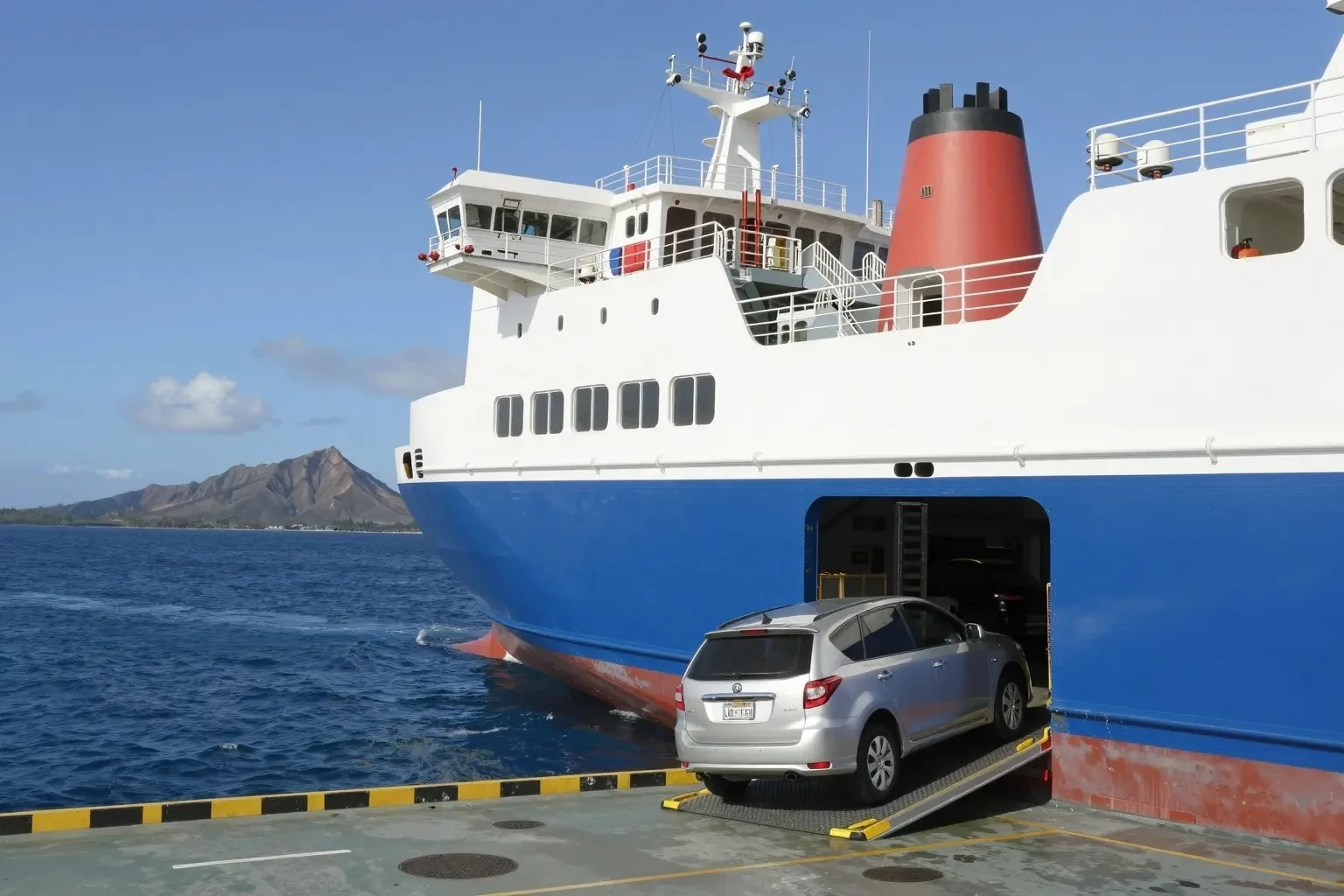
- Roll-on/Roll-off (RoRo): Vehicles are driven onto the transport vessel and secured for the journey. This is often a more cost-effective option but offers less protection than container shipping.
Logistics and Transit Time
Auto transport logistics play a crucial role in determining the transit time for your vehicle to reach Hawaii. Typically, the journey from the West Coast to Hawaii takes about 7 to 14 days, depending on the transport company and route. Seasonal variations and weather conditions can also impact transit times.
Obtaining Shipping Quotes
To get an accurate cost estimate for vehicle shipping to Hawaii, it’s advisable to request shipping quotes from several transport companies. These quotes will consider factors such as vehicle size, distance, and chosen shipping method. Comparing different quotes will help you find the best delivery services that meet your needs and budget.
Freight Charges and Additional Costs
Freight charges form a significant part of the overall shipping costs. It’s important to account for potential additional fees, such as:
- Port Fees: Charges incurred at the port of origin and destination.
- Customs Duties: Applicable duties based on Hawaii’s import regulations.
- Handling Fees: Costs related to the handling and securing of vehicles.
Insurance Coverage
Insurance is an important consideration when planning vehicle shipping. Most transport companies offer basic insurance, but it’s wise to inquire about additional coverage options to protect your vehicle against unforeseen events during transit.
Relocation and Planning
If you are relocating to Hawaii, advanced planning is essential for a smooth transition. Coordinating car transport with your moving schedule will ensure that your vehicle arrives when you need it. Consider the logistics of arranging for the vehicle’s pickup and delivery to and from the port, as this will affect overall timing and convenience.
Shipping a car to Hawaii involves multiple decisions and considerations, from selecting a transport company to understanding freight charges and import regulations. By evaluating shipping methods, obtaining comprehensive shipping quotes, and planning logistics effectively, you can ensure a cost-effective and hassle-free vehicle transport experience. Whether you opt for container shipping or RoRo, the key is to choose a reliable service that provides adequate insurance coverage and aligns with your budget and transit time requirements.