
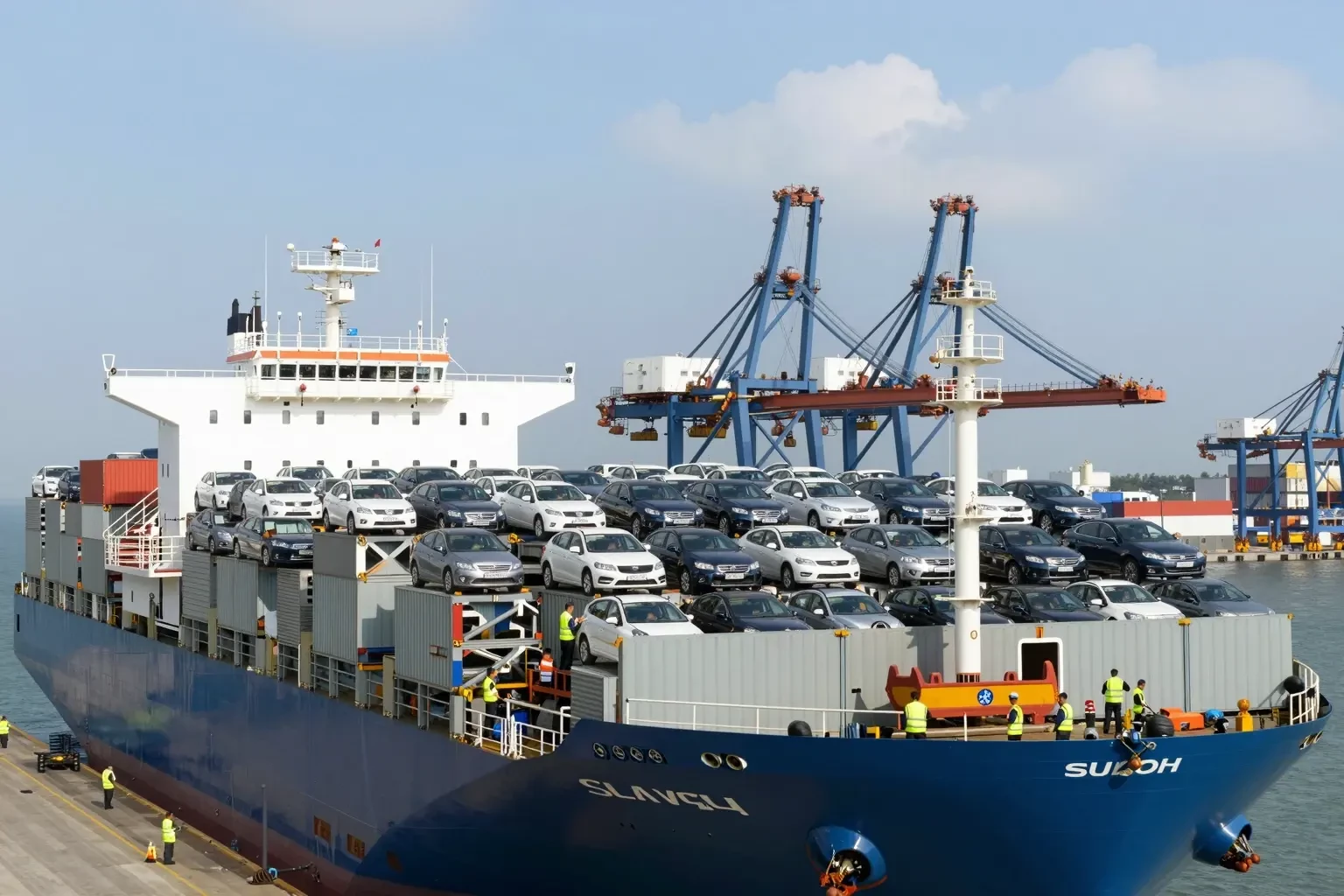
Shipping cars overseas is a vital part of global trade that involves complex logistics and coordination. The automobile industry relies heavily on various methods of maritime transport to ensure vehicles are delivered across continents efficiently and safely. In this article, we will explore the different aspects of international vehicle transport, focusing on the mechanisms and processes involved.
Types of Cargo Ships
Two primary types of cargo ships are used to transport vehicles internationally: car carriers and container ships. Each serves a specific function in the vast network of global shipping.
Car Carriers and Roll-On/Roll-Off Ships
Car carriers, often referred to as roll-on/roll-off (RoRo) ships, are specially designed to transport vehicles. Cars are driven on and off the ship using ramps, which is efficient for loading and unloading. These vessels are equipped with multiple decks to accommodate a large number of vehicles, making them ideal for transporting fleets of cars.
Container Shipping
Another method of shipping cars is through container shipping. Cars are loaded into containers, which are then placed on cargo ships. This method is often used for higher-value vehicles as it provides additional protection. Container shipping is also flexible, allowing for mixed cargo, which can be advantageous for freight forwarding logistics.
International Logistics and Freight Forwarding
The process of shipping cars overseas involves meticulous planning and coordination. Freight forwarding services play a critical role in managing these logistics. They handle the arrangements for transporting vehicles from the point of origin to the port of entry at their destination.
Customs Clearance and Import/Export Regulations
One of the essential aspects of international logistics is customs clearance. Compliance with import/export regulations is crucial to avoid delays and additional costs. Freight forwarders ensure that all necessary documentation is prepared and submitted to the relevant authorities, facilitating a smooth transit.
Cost Considerations and Transit Time
Shipping costs are a significant consideration in the process of vehicle transport. Factors influencing costs include the distance between ports, the type of shipping method used, and the size of the vehicle. Additionally, the transit time can vary depending on the shipping routes and schedules.
Transport Insurance
To mitigate risks during maritime transport, transport insurance is often recommended. This insurance covers potential damages or losses during transit, providing peace of mind for both the shipper and the recipient.
Shipping Routes and Schedules
The efficiency of vehicle transport depends on strategic shipping routes and well-planned shipping schedules. Major shipping lines operate globally, ensuring that cars can be transported to and from almost any port of entry worldwide.
Terminal Handling
The process of loading and unloading vehicles at ports involves terminal handling. Ports are equipped with the necessary infrastructure to manage large volumes of cargo, and efficient terminal operations are crucial for minimizing delays.
Role of the Automobile Industry in Global Shipping
The automobile industry is a major driver of global shipping demand. The need to meet consumer demands in different markets necessitates efficient and reliable vehicle transport solutions.
Shipping cars overseas is a complex but well-organized process that involves various stakeholders, including shipping companies, freight forwarders, and customs authorities. With advancements in technology and logistics, the international shipping of vehicles continues to evolve, supporting the growing needs of global trade and the automobile industry.