
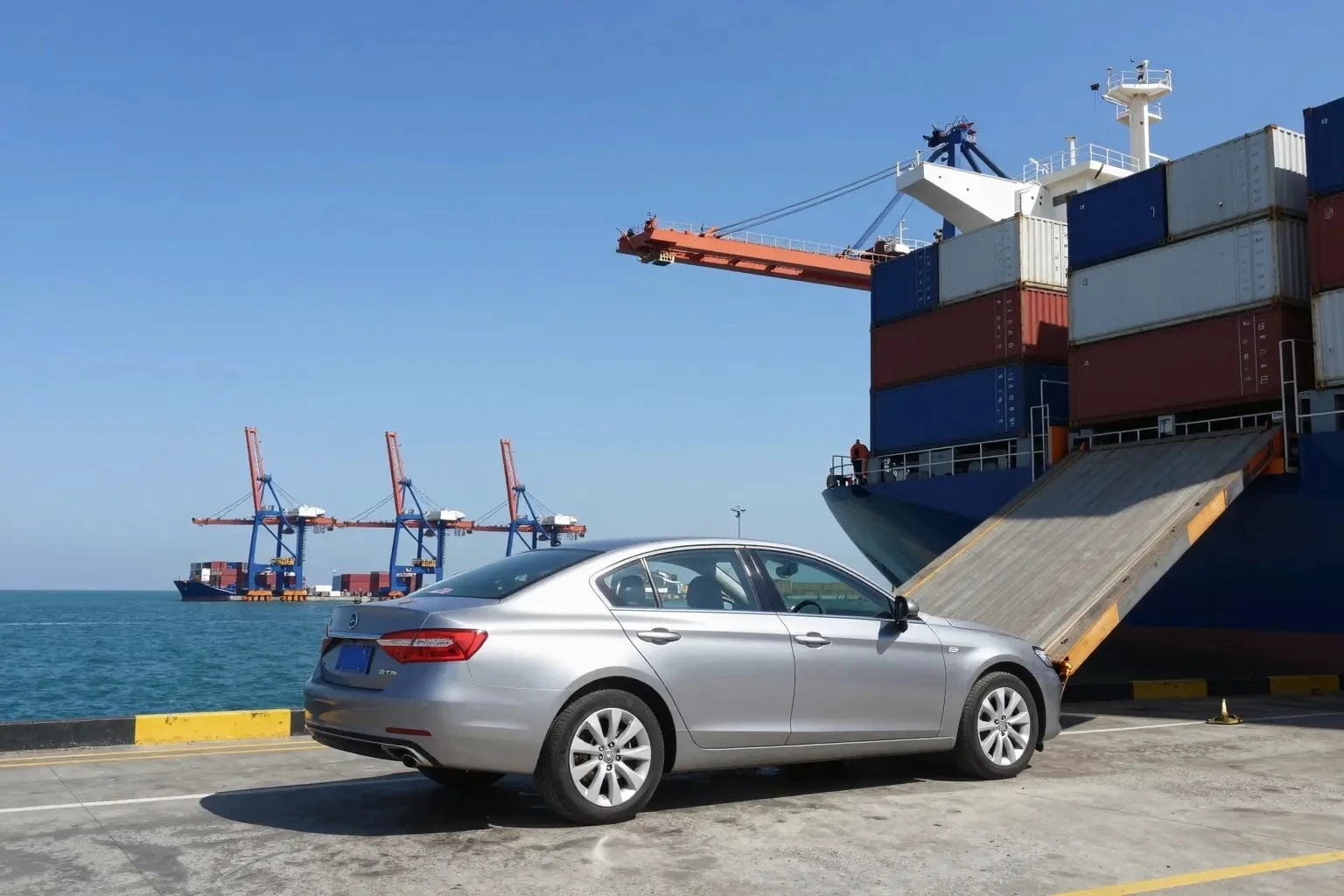
Shipping a car to Puerto Rico involves several logistical elements and costs that need to be considered. Whether you’re relocating, selling a vehicle, or simply want to have your car with you during an extended stay, understanding the various factors that contribute to the shipping cost is crucial.
Factors Affecting Shipping Costs
- Vehicle Type: The size and weight of the vehicle significantly impact the cost. Larger vehicles, such as SUVs and trucks, will incur higher fees compared to sedans or compact cars.
- Shipping Company: Different companies offer varying rates and services, so it’s essential to compare quotes. Some companies might include additional services, such as cargo insurance or expedited shipping, which can influence the price.
- Destination Port: The port fees at the destination, in this case, Puerto Rico, can add to the total cost. Ports might charge different rates, so it’s beneficial to research these fees beforehand.
- Logistics and Transit Time: The time it takes for your car to arrive can vary. Faster delivery may come at a premium, so balancing cost with urgency is key.
- Customs Clearance and Import Taxes: As Puerto Rico is a U;S. territory, vehicles shipped from the mainland U.S. will typically experience fewer complications. However, there are still customs clearance processes and potential import taxes to consider.
Transportation Fees and Freight Charges
The core of the shipping cost consists of transportation fees and freight charges. These are determined by the distance between the point of origin and the destination. For instance, shipping from the eastern coast of the United States might be less expensive than from the west coast due to proximity.
Additional Expenses
- Delivery Service: Door-to-door delivery can be more convenient but will add to the cost compared to terminal-to-terminal service.
- Relocation Expenses: If you are moving to Puerto Rico, factor in the overall expenses of relocation, which include not just the vehicle shipping but also moving household goods and personal items.
Choosing a Shipping Company
Researching and selecting a reputable shipping company is crucial. Look for companies with experience in international shipping and those that offer maritime transport services specifically to Puerto Rico. Reviews, recommendations, and ratings can provide insight into the company’s reliability and customer service quality.
Cargo Insurance
While many shipping companies include basic insurance, you might want to consider additional cargo insurance to cover any unforeseen damages during transit. It’s vital to understand what the insurance covers and if there are any limitations or exclusions.
Preparing Your Vehicle for Shipping
Before your vehicle is shipped, there are a few steps to prepare it for the journey:
- Ensure the vehicle is clean to facilitate a thorough inspection.
- Remove all personal belongings to avoid potential theft or damage.
- Document the vehicle’s condition with photos and notes.
- Ensure the gas tank is no more than a quarter full to minimize weight.
Customs Clearance in Puerto Rico
Upon arrival, your vehicle will need to go through customs clearance. This process involves verifying the vehicle’s documentation and ensuring compliance with local regulations. Having all necessary paperwork in order will expedite this procedure.
Shipping a car to Puerto Rico requires careful consideration of various factors that contribute to the overall cost. By understanding freight charges, transportation fees, and additional expenses such as port fees and import taxes, you can make a more informed decision.
Remember, a thorough comparison of shipping company options, considering both price and services offered, will help ensure a smooth and cost-effective transport of your vehicle.